Elementary School Programs
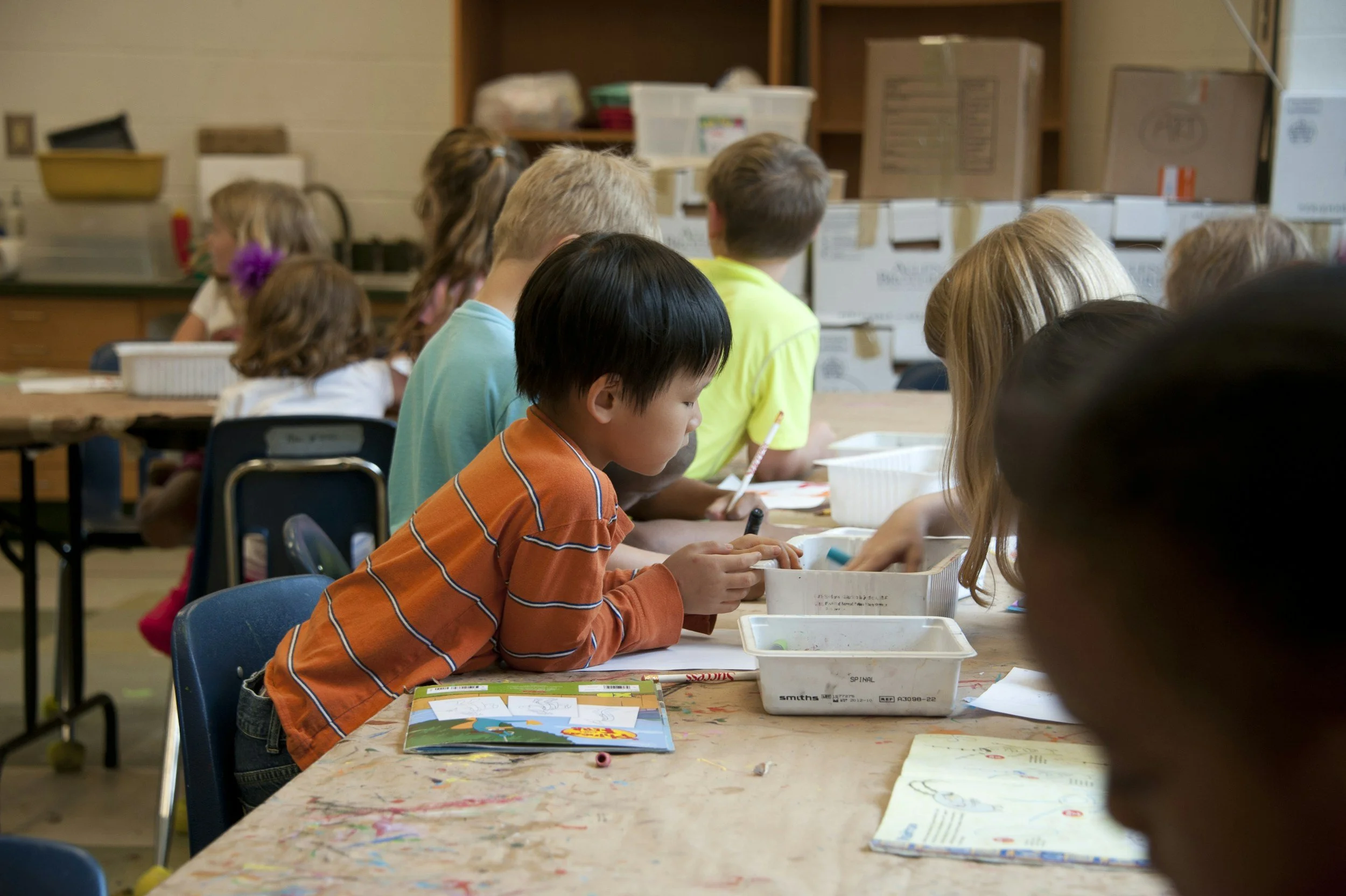
Early elementary and upper elementary years are when students begin developing the communication habits that shape how they handle disagreements later in life. Conflicts at this stage often arise during play, group work, or misunderstandings between friends. Conflict-resolution education helps students recognize emotions, communicate their needs clearly, and understand how their actions affect others. These programs focus on building a foundation of empathy, accountability, and respectful communication that students can use throughout their school years.
Conflict-Smart Kids Program (Grades 1–6)
Conflict-Smart Kids introduces students to the core skills needed to navigate everyday disagreements in healthy ways. Through interactive activities, storytelling, and guided practice, students learn how conflict happens, how to respond when emotions run high, and how to work toward solutions that respect everyone involved.
Students explore how to identify feelings, listen to different perspectives, and communicate clearly during disagreements. The program also teaches simple strategies for calming down when emotions escalate and encourages students to think about the impact of their choices on others.
See our other workshop topics below:
-
Many conflicts in elementary school arise from misunderstandings during play, group work, or classroom activities. This session helps students understand common sources of friendship conflict and gives them practical tools for navigating these situations.
Students learn how to express their needs respectfully, respond to frustration, and repair relationships when someone’s feelings are hurt. Activities include guided discussions, role-play scenarios, and collaborative exercises that reinforce positive communication habits.
The goal is to help students build empathy, strengthen friendships, and reduce recurring conflicts during everyday interactions.
Typical format:
Length: 45-60 minutes
Frequency: One workshop -
This workshop focuses on what happens after a mistake or hurtful action. Students explore the concept of accountability and learn constructive ways to repair relationships when harm occurs.
Participants learn how to acknowledge mistakes, offer meaningful apologies, and rebuild trust with peers. The session introduces restorative questions that help students reflect on their actions and consider the impact on others.
This approach supports responsibility without shame while encouraging students to take ownership of their behavior and learn from difficult moments.
Typical format:
Length: 45-60 minutes
Frequency: One workshop