Middle School Programs
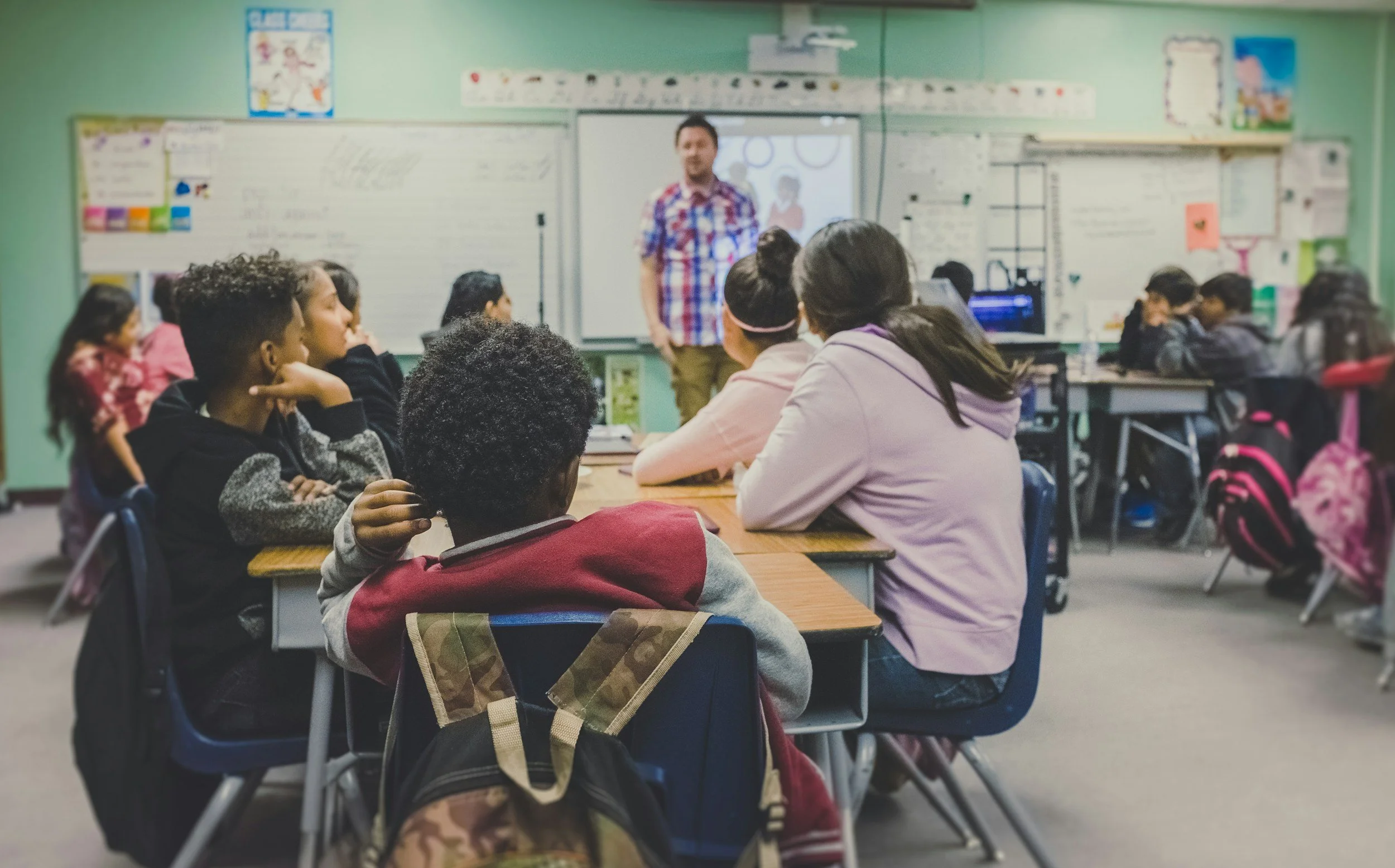
During middle school, social relationships become more complex and emotionally intense. Students begin navigating group dynamics, reputation concerns, online communication, and increasing independence. Conflict-resolution education at this stage focuses on helping students slow down during emotionally charged situations, communicate more thoughtfully, and develop responsibility for repairing harm. Programs for middle school students emphasize practical communication skills and structured processes that help students manage disagreements constructively.
Peer Mediation Training (Grades 7–12)
Peer mediation programs prepare students to support their classmates in resolving everyday conflicts before they escalate. Selected student mediators learn how to guide structured conversations between peers while remaining neutral and respectful.
Students are trained to help their classmates talk through disagreements, identify underlying concerns, and explore possible solutions together. The process promotes leadership, empathy, and problem-solving while helping schools reduce minor disciplinary referrals.
See our other workshop topics below:
-
Middle school is a time when social dynamics become more complex. Students begin navigating group conflicts, misunderstandings, and disagreements that feel emotionally intense.
This workshop helps students develop communication strategies that allow them to express concerns clearly while maintaining respect for others. Participants learn how to identify escalation patterns, pause before reacting, and choose constructive responses.
Students practice assertive communication, active listening, and problem-solving approaches that support healthier peer relationships.
Typical format:
Length: 60 minutes
Frequency: One workshop -
Students often experience conflict situations where emotions escalate quickly. This session helps students recognize early warning signs of escalation and apply tools that reduce tension.
Participants learn how to step back during conflict, regulate emotional reactions, and communicate in ways that lower defensiveness. These skills can be applied in classrooms, friendships, extracurricular activities, and online communication.
The goal is to give students strategies that prevent small disagreements from becoming larger disruptions.
Typical format:
Length: 60 minutes
Frequency: One workshop -
Many middle school conflicts now occur through text messages, group chats, and social media platforms. This workshop explores how digital communication can create misunderstandings and emotional reactions.
Students learn how to interpret online messages thoughtfully, address rumors or miscommunication, and set boundaries in digital spaces. The session emphasizes responsible communication and the importance of considering long-term consequences of online behavior.
Typical format:
Length: 60–75 minutes
Frequency: One workshop or two-session series